
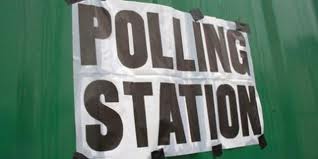
 Full credit to Angela Eagle MP who according to a BBC website has concluded that a number of practical changes are needed to help to increase democratic participation following a review entitled ‘peoples politics enquiry’. The BBC article has reported that the Labour Party propose making a number of small but important improvements to the way in which the mechanics of election processes are organised and communicated. This will help improve peoples confidence in knowing how to vote. There is also a tantalising prospect of electronic voting if only the technology can be made to work!
In reality none of this will impact the big elephant in the room which is at the heart of why currently some 0.6% of the population are members of a Political Party, whilst 60 years ago some 8% of the population were members of Political Parties. The issues that deter people from voting include a lack of confidence in the process and a failure to grasp why we can vote for pop stars on line or by phone, but not Politicians. It may well be that the proposals from Angela Eagle will improve turnout, but lets consider some of the issues that she has not mentioned in her speech.
Safe seats – when only around 15% of the seats in the country are truly contestable, yet even there, because of the national dominance of parties, Independents like Paul Baggeley in Newark last month get squeezed by the parties with the biggest budgets and most national personalities to roll out. Sadly for too many people the message is vote if you wish but the outcome is entirely predictable.
The size of both houses of Parliament, and make up of the Lords – Although electoral reform is not a great vote winner, people are put off by the sight of very empty benches most of the time, yet the vast number of Politicians on grand occasions, when so many seem out of touch with our life experiences.
None of the Above & Compulsory Voting – A NOTA option could be one way of encouraging people to register a vote, even if it does not lead to a different outcome. This coupled with some form of compulsion or encouragement to vote that makes a difference to their lives in the immediate might help shift attitudes.
Ongoing engagement – Far too many Politicians believe that once the election is over, they don’t have to focus too much on the electorate apart from planning for the next election. Far too many either ignore residents altogether when it comes to policy matters, or constantly explain why their views are so much better than ours. This is partly due to the dominance of large party structures, that make decisions, even when they contradict manifesto promises. There needs to be some level of commitment to engaging with people in-between elections.
I appreciate that my views are just that (and they are not exhaustive), some of these ideas or ideas along similar lines could make a difference. However they are all ideas that will in the short term and on face value, weaken the power of Political Parties. However I believe passionately in the need for Political Parties, but ones that stand for values and principles, not ones that cling onto power that was never theirs in the first place.
My final thought is that we need a Parliament that has more Independent voices in it. Some of that could be achieved by the parties being less rigid and controlling internally, but some of that is about space for the ones and twos of truly Independent MPs. Martin Bell was one of those, but so too is Caroline Lucas. The Green Party is not like other parties in any case and as their sole MP her actions and approach is much closer to that of Independent MPs. However getting more people elected like Caroline and Martin will depend on changing the electoral system itself. The sacred cow of the two main parties. We need a proper debate, with meaningful options presented (and not the ones determined by two party leaders who did a deal behind our backs).


 ianchisnall