
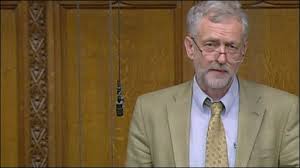
 In the context of a change to the way in which Labour in particular and Westminster more broadly is being impacted by the election of Jeremy Corbyn, its important that changing a few deckchairs does not allow commentators to assume all is and will be rosy when the change (whatever it really represents) beds in. An organisation called IPPR has just published a sobering report on the failings of our electoral system. In particular the report analyses voting patterns in 2015 compared to in 1987. It is clear that younger voters are failing to turn out to vote in much lower numbers than was the case in 1987. There is also an indication that people of more advantaged social classes are much more likely to vote than those who do not have the advantages. The impact of many more credible political parties than was the case previously has led to a much more substantial difference between the number of votes that certain parties need to gain a seat than those that others do. An MP for the DUP in Northern Ireland will have been elected with an average 23,033 votes and SNP in Scotland 25,972 votes. The Conservative Party MPs have been elected with an average 34,244 votes and Labour an average 40,290. The Lib Dems need more than 300,000 votes, Greens more than 1M and UKIP nearly 4M. These figures reflect a number of factors but they show that our nation and its voters do not have equal access to representation in any sense other than the crudest idea that all of us are entitled to vote in regular elections. Whilst Jeremy Corbyn is upsetting his own party and potentially the other major parties in Westminster, there is a need for all of us to express our disquiet with a system that is deeply flawed and needs a radical overhaul.

If you find any of these posts relevant to some of the social or political issues of the moment do leave a comment or contact me directly (click on my photo for my contact details)
Blog Stats
- 109,049 hits
-
Join 86 other subscribers
-
Recent Posts
Archives
Top Rated
Categories
- Afghanistan (27)
- Brighton & Hove (856)
- Casey Review (5)
- Charities (526)
- Church Teaching (232)
- Community Safety (289)
- Data Retention and Investigatory Powers (17)
- Deaf & Hard of Hearing (62)
- Economics (556)
- Education (487)
- Environment (222)
- EU Referendum (554)
- Health Reform (137)
- Housing (87)
- Immigration (126)
- Journalism (130)
- Justice Issues (221)
- Lobbying Bill (65)
- Network Rail (64)
- Obituary (22)
- Parliament and Democracy (3,659)
- Phone Hacking (7)
- Planning Rules (57)
- Police & Crime Commissioner (207)
- Policing (412)
- Scottish Referendum (23)
- STEM (68)
- Syria (90)
- Think Tanks (15)
- UK Riots in August 2011 (15)
- Ukraine (17)
- Uncategorized (61)
- Welfare Reform (72)
- Yemen (44)
- Youth Issues (499)
Twitter Updates
Tweets by IanChisnall- Amber Rudd
- Andrew Griffith
- Boris Johnson
- Brexit
- Brighton & Hove
- Brighton & Hove City Council
- C-19
- Caroline Ansell
- Caroline Lucas
- Charities
- Charity Commission
- Charity Commission for England and Wales
- Chris Grayling
- Conservative Party
- Coronavirus
- COVID-19
- Daniel Hannan
- David Cameron
- David Davis
- Department for Education
- Donald Trump
- e-petition
- Eric Pickles
- EU Referendum
- European Union
- FareShare
- Foodbanks
- George Osborne
- Gillian Keegan
- Government
- Green Party
- Henry Smith
- Home Office
- House of Commons
- House of Lords
- Huw Merriman
- Iain Duncan Smith
- Independent Candidates
- Jacob Rees-Mogg
- Jeremy Corbyn
- Jeremy Hunt
- Jeremy Quin
- Katy Bourne
- Keir Starmer
- Labour Party
- Lib Dem Party
- Liz Truss
- Lloyd Russell-Moyle
- Lobbying Bill
- Maria Caulfield
- Matthew Hancock
- Member of Parliament
- Michael Gove
- MPs
- NHS
- Nick Gibb
- Nigel Farage
- Nusrat Ghani
- Parliament
- Peter Bottomley
- Peter Kyle
- Police and Crime Commissioner
- Priti Patel
- Rishi Sunak
- Sajid Javid MP
- Sally-Ann Hart
- Small Businesses
- SME
- Steve Bassam
- Sussex
- Sussex Police
- Syria
- Theresa May
- Tim Loughton
- UKIP


 ianchisnall