
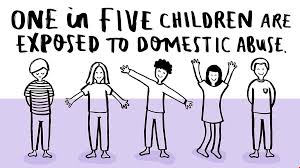
 On Tuesday a report into Domestic Abuse and Domestic Violence was jointly published by a number of national inspection agencies entitled “The multi-agency response to children living with domestic abuse”. The report raises a number of vital issues yet appears to have missed a rather obvious place to look for possible ways forward. One of the agencies that participated in the report was Ofsted whose remit covers the needs of children and young adults throughout their lives. It is perhaps no surprise that the lead person for the report from Ofsted, their national director for social care, Eleanor Schooling called for action to be taken earlier to prevent domestic abuse claiming “far too little” is being done to prevent domestic abuse in the first place. Schooling said schools have an essential role in educating children about domestic abuse. Teaching children about healthy relationships is already part of the curriculum, but Schooling said it is often not prioritised by schools. “I want to see a new approach to tackling domestic abuse – one which focuses more on prevention and repairing long-term damage to child victims,”.
The reference to Schools in the report itself appears towards the end of the document on page 25 in paragraphs 97 and 98. The report is comprised of 26 pages and 98 paragraphs before it then moves into its conclusions. The opening part of paragraph 97 begins “We did not inspect schools as part of this multi-agency inspection programme, but we did contact a number of schools about the topic of domestic abuse. We received a small number of responses from individual teachers”. Of the various comments they publish in the report the one that stands out appears in paragraph 98 which states “Referrals relating to emotional harm to children are not always taken as seriously by children’s social care as those relating to the physical harm or neglect”
It seems tragic that this report as important and vital as it is, failed to visit any schools, barely mentions the role of schools and fails to understand how important this penultimate bullet point in the whole report is. If they did not bother to visit a School then they won’t have even considered visiting a PreSchool or Nursery, yet it is this point where the first signs of emotional and physical neglect will be identified by professionals. This will come as no surprise to proactive workers in Early Years settings who have reported concerns in the past but who have also been ignored or whose concerns have been downplayed by professionals who are part of the statutory system. These potential gatekeepers in the Police and Social Services are no doubt already overwhelmed by their workload and many treat early years workers and settings many of which are part of the voluntary sector as naive individuals who lack professional judgement when it comes to such matters.
The lack of funds in the public sector was commented upon by Alison Michalska, president of the Association of Directors of Children’s Services who said domestic abuse is the most common factor in situations where children are at risk of serious harm. She said that due to the “terrifying scale” of the issue, agencies have had to focus virtually all of their available resources on protecting children and victims from the immediate risk of harm, rather than on prevention. “Some councils have had to cut back on non-statutory services, as our funding reduces, which means that vital support services for victims of domestic abuse aren’t always available or accessible despite the clear need for these services,” she said. “But we will not see the necessary shift from intervention at the point of crisis to prevention that we need to see without sufficient, sustainable funding from government. A shift to a more systematic focus on prevention and changing perpetrator behaviours is long overdue and the government must lead this endeavour from the front as a matter of urgency.” Anne Longfield, the children’s commissioner for England, said domestic abuse causes long-term emotional and psychological damage to children. “While good work is being done to protect children and victims, the report makes clear that the welfare of children is often an afterthought, and that some children who don’t need immediate medical attention for physical injuries are going unnoticed by health professionals and social services,”
So the question is when will the Government start funding these services and when will Ofsted and the other inspectors turn give a little bit more attention to the areas where the early signs are on show? As the old adage goes, prevention is better than cure, and as economics proves, prevention when done effectively is a great deal cheaper than cure.


 ianchisnall