
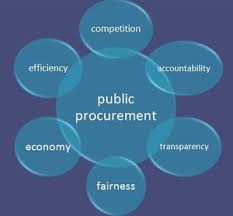
 The promises made by this Government to increase the levels of procurement dedicated to SME’s from 25% under the coalition to 33% on under the new administration should offer a meaningful way of growing our economy and strengthening society if carried out. Most SMEs are UK based and so there is a strong argument in favour of any profits remaining in the UK. In addition to this whilst in theory large businesses can achieve greater efficiencies than SMEs, the SMEs are generally much more flexible and responsive to local needs and capable of much more innovation than most big businesses. This means that the outcome for local customers will be much better. Finally because SMEs do not have the same level of ‘efficiency’ when it comes to stripping out labour costs, there should in theory be more money going to the workforce and spent locally than going to highly paid people who then invest their capital off shore. Two classic examples of how the public sector is failing to deliver in an effective manner have emerged in the last couple of days.
The first is this announcement that appeared in the Telegraph a couple of days ago that Amazon is to offer a one stop shop to the public sector in Yorkshire. The reality is this will bring to an abrupt end the numerous suppliers in Yorkshire that employ local people and are committed to improving their communities. When it comes to large supply chain businesses, then there may be less of a case to be made, but the small businesses that help sustain the local communities will be lost and the communities ultimately will pay a huge price. Of course on the surface the idea is that Amazon will act as a broker, but in reality this will prevent any of the benefits reaching the clients or the non Amazon suppliers.
The second is a procurement framework which our business is hoping to join. It covers a wider geographical area than Yorkshire, indeed it covers the nation from Birmingham to the South Coast and the framework designers keep on claiming they want SMEs to be part of the mix. However yesterday they announced some of the criteria they have in mind and one of these is the level of engagement by framework providers. Because in the past there has been a lot of disengagement by certain framework providers for reasons that have not been explained, the designers are proposing that every member of the framework will need to bid for at least 70% of the contracts. This is despite the fact that currently there are 9 framework providers and there is evidence that more members are needed. This means that an even spread of contracts may drop to single figures which for the small businesses makes a lot of sense as they attempt to bring into the mix their flexibility and dynamic capabilities as required by the individual clients. However if they are aiming for 5% to 10% of the market share but demands are being made for them to quote for 70% of the market there is a clear mismatch which costs them time and money which detracts from their businesses.
It is clear that if one looks at the Yorkshire example or the vertical example above, that a single purchasing contract with one large business or demanding responses from small businesses that covers a much larger list than they can possibly achieve, does offer a better immediate set of results on paper. However the public sector needs to drill further down than their initial thinking allows if they are to ensure that their communities are to become resilient with the help of SMEs rather than them crushing the very businesses they claim to want to involve and handing over procurement to multi nationals like Amazon.


 ianchisnall